
Contact
F.A.Q.
What exactly is a physiogram?
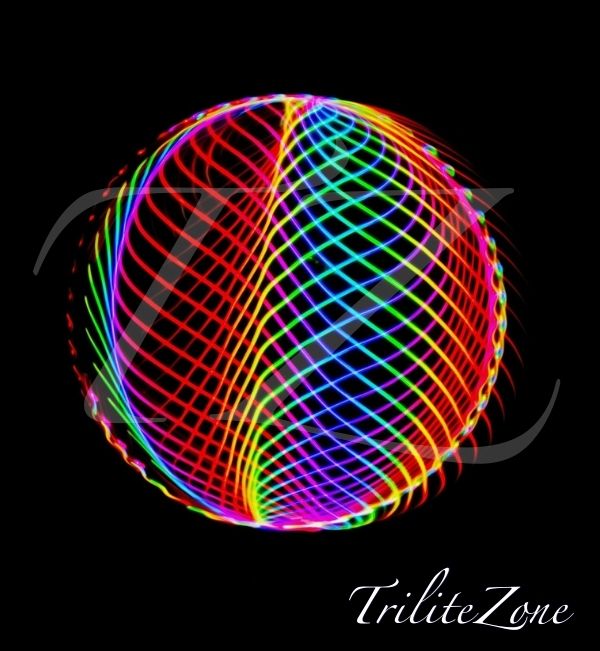
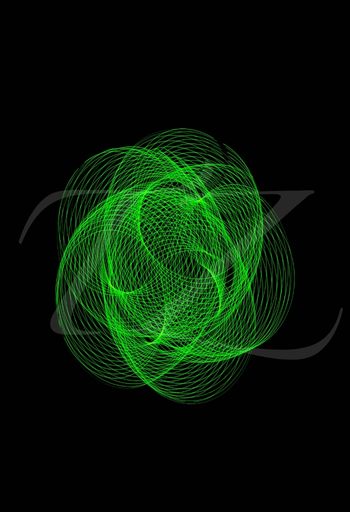
A physiogram is a type of light painting created by attaching lights to a pendulum and photographing their movement using long-exposure photography. As the pendulum swings, the lights trace geometric patterns through space, creating intricate, swirling designs. The result is a unique blend of physics, motion, and art—capturing the natural arc and rhythm of the pendulum in vivid, flowing lines of color.
How is each piece created?
Each physiogram begins with careful setup: lights are attached to a pendulum system, and the camera is set for long exposure in a dark environment. Once the pendulum is set in motion, the lights trace their path through the air while the camera’s shutter remains open, recording every movement as streams of color. The interplay of gravity, momentum, and timing determines the final pattern—making each piece genuinely one-of-a-kind.
Are these real photographs or digitally created?
These are authentic photographs captured in-camera using long-exposure techniques. While minor adjustments may be made during post-processing (such as contrast or color balance), the patterns themselves are created entirely through the physical movement of light and the pendulum. Nothing is drawn, illustrated, or digitally fabricated—what you see is the actual path the lights traveled through space.
Why is each piece unique?
No two physiograms are ever identical. Even with the same setup, slight variations in the pendulum’s starting position, swing intensity, or timing create completely different patterns. The chaotic nature of pendulum motion means that each swing, each curve, and each intersection of light is unrepeatable—making every piece a singular moment frozen in time.
How should I display light painting artwork?
Light paintings look stunning when framed and displayed in areas with good lighting, as the vibrant colors and intricate details truly come alive. They work beautifully as statement pieces in living rooms, offices, or creative spaces. Consider placement where viewers can appreciate the detail up close while also seeing the overall composition from a distance. The geometric patterns complement both modern and eclectic decor styles.