
Photographer
richard brown
WELCOME TO NATURE
My journey began with a fascination for how light can breathe life into a scene, and over nearly two decades, I’ve honed my skills to create stunning images, to evoke imagination and wonder. Whether it’s the general glow of a sunset filtering through the trees or the vibrant colors of a blooming flower, each photograph is a testament to the beauty that surrounds us.
Explore my gallery to experience the world through my lens and lets embark on a creative journey together. Whether you’re looking to catch a special moment or simply appreciate the artistry of nature I’m here to help you see the world in a new light. Browse the curated selection and let the allure of nature guide you to your perfect piece. Each photograph is available for purchase, allowing you to bring the outdoors into your home or office.
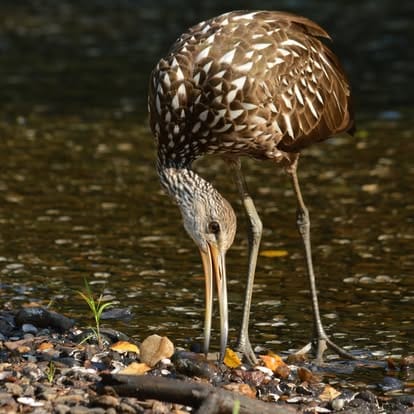
A wading bird of freshwater marshes and wetlands, the Limpkin is named for its distinctive limping gait as it stalks through shallow water. These charismatic birds are specialist feeders, using their long, slightly curved bills to extract apple snails from their shells with surgical precision. Their mottled brown plumage provides excellent camouflage among reeds and vegetation, while their haunting, wailing calls echo across the wetlands at dawn and dusk—a sound often described as one of the most eerie in nature. Though common in parts of Florida and the Caribbean, Limpkins are less familiar to many birdwatchers, making each sighting a special encounter with one of the wetland’s most uniquely adapted residents.
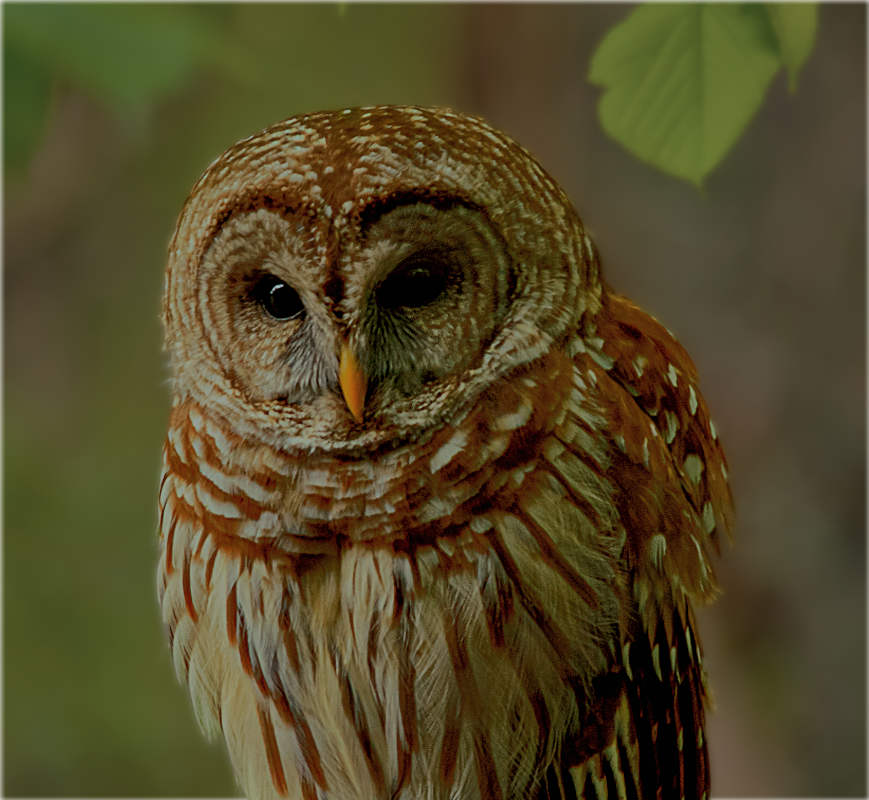
With their soulful dark eyes and distinctive “Who cooks for you? Who cooks for you-all?” call, Barred Owls are among North America’s most charismatic raptors. These medium-sized owls are named for the horizontal barring across their chest and vertical streaking down their belly, creating a striking pattern in muted browns and whites. Unlike many owl species, Barred Owls are surprisingly bold and often active during daylight hours, particularly on overcast days. They inhabit dense forests near water, where they hunt from perches with patient stillness before swooping silently down on prey ranging from mice and voles to fish and crayfish. Their round heads lack the ear tufts of Great Horned Owls, giving them an almost gentle expression—though their hunting prowess is formidable. Encountering a Barred Owl peering down from the forest canopy is a moment of quiet magic, a reminder of the wild intelligence watching from the trees.
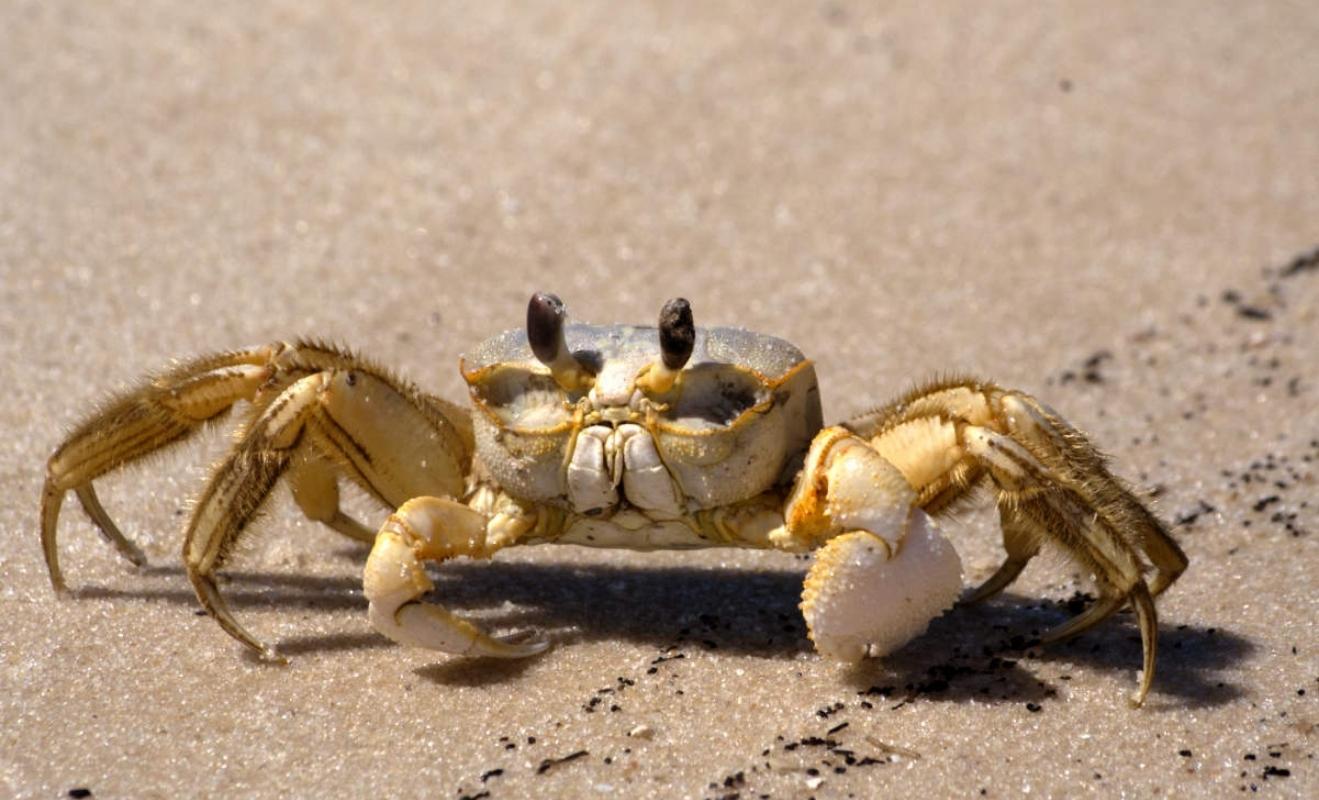
Masters of the sandy shore, ghost crabs are among the beach’s most elusive and entertaining residents. Named for their pale, sand-colored carapace that seems to vanish against the beach, these quick-footed crustaceans can reach speeds up to 10 miles per hour in short bursts—making them one of the fastest crabs in the world. Their distinctive periscope-like eyes swivel independently on tall stalks, keeping watch for both predators from above and prey scurrying across the sand. Ghost crabs are primarily nocturnal, emerging from their deep burrows at dusk to scavenge along the tide line, but during the day they often stand sentinel at their burrow entrances, ready to disappear underground in a flash. These charismatic creatures can hold their breath for up to six weeks in their humid burrows, and they must periodically return to the ocean to wet their gills. Encountering a ghost crab in this alert, defensive stance—claws raised and eyes locked on you—is a delightful reminder of the vibrant life thriving in the seemingly barren stretches of sand.
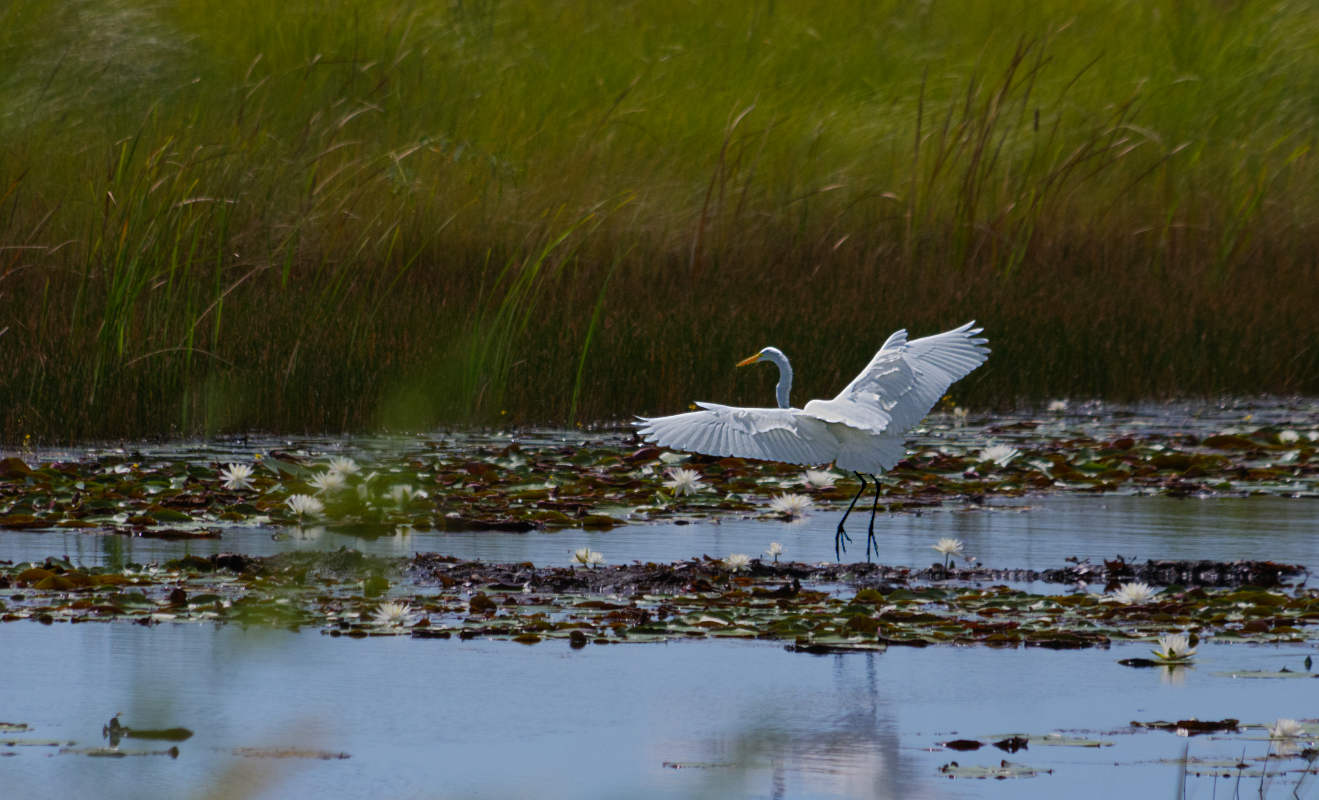
Captured in a moment of pure dynamism, this Great Egret displays the dramatic wing spread that makes these birds so captivating to observe. Standing nearly three feet tall with a wingspan reaching five feet across, Great Egrets transform from statuesque stillness to explosive action in an instant. Their pristine white plumage, set against the rich greens and blues of the wetland, creates a striking contrast that has made them a favorite subject of nature photographers and birdwatchers alike. These skilled hunters wade through shallow water with deliberate precision, using their long black legs and sharp yellow bills to capture fish, frogs, and aquatic invertebrates. The scattered water lilies in this scene provide the perfect backdrop for understanding the egret’s habitat—quiet, vegetated wetlands where patience meets opportunity. Once driven to the brink of extinction by the plume trade in the early 1900s, Great Egrets have made a remarkable recovery and now stand as both the symbol of the National Audubon Society and a testament to successful conservation efforts. Witnessing an egret in full display, wings outstretched and every feather visible, is to see grace and power united in one magnificent moment.
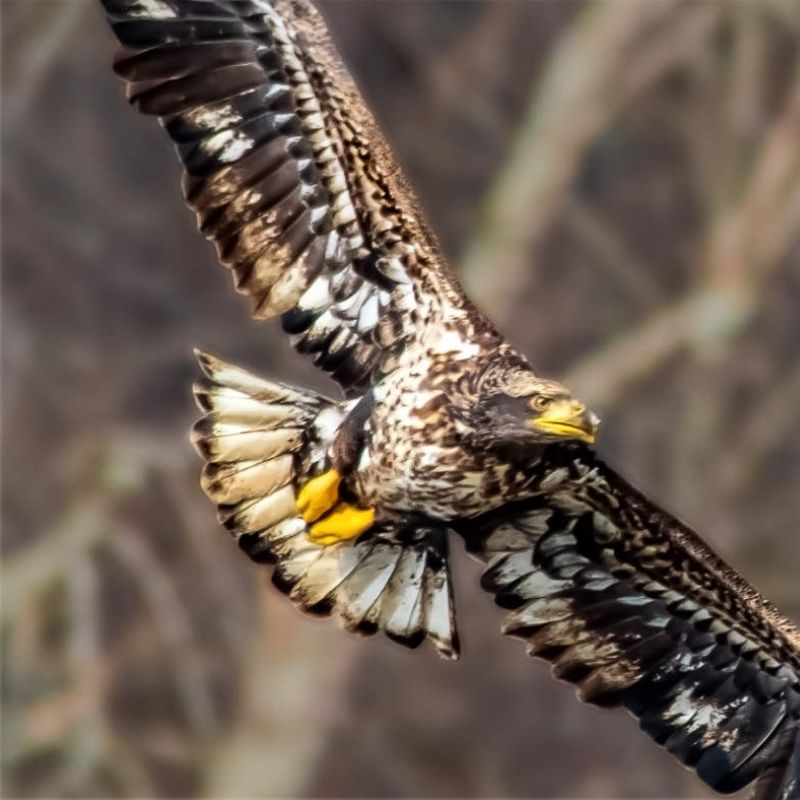
This striking image captures a juvenile Bald Eagle in flight, showcasing the mottled brown and white plumage that distinguishes young eagles from their iconic white-headed parents. It takes approximately five years for a Bald Eagle to develop its distinctive adult plumage, and during this time, juveniles display this complex pattern of browns, creams, and whites that can make identification challenging for novice birdwatchers. The powerful yellow talons, visible in this photograph, are capable of exerting over 400 pounds of pressure per square inch—perfect for catching fish, their primary prey. With a wingspan that can reach over seven feet, Bald Eagles are masterful fliers, soaring on thermal currents and diving at speeds up to 100 miles per hour when pursuing prey. Once endangered and reduced to fewer than 500 nesting pairs in the lower 48 states due to DDT poisoning and habitat loss, Bald Eagles have made one of conservation’s greatest comeback stories, with populations now thriving across North America. Witnessing a juvenile eagle like this one, wings spread wide and every feather catching the light, offers a glimpse into the future—this young raptor will one day bear the white head and tail that have made its species an enduring symbol of wilderness and freedom.
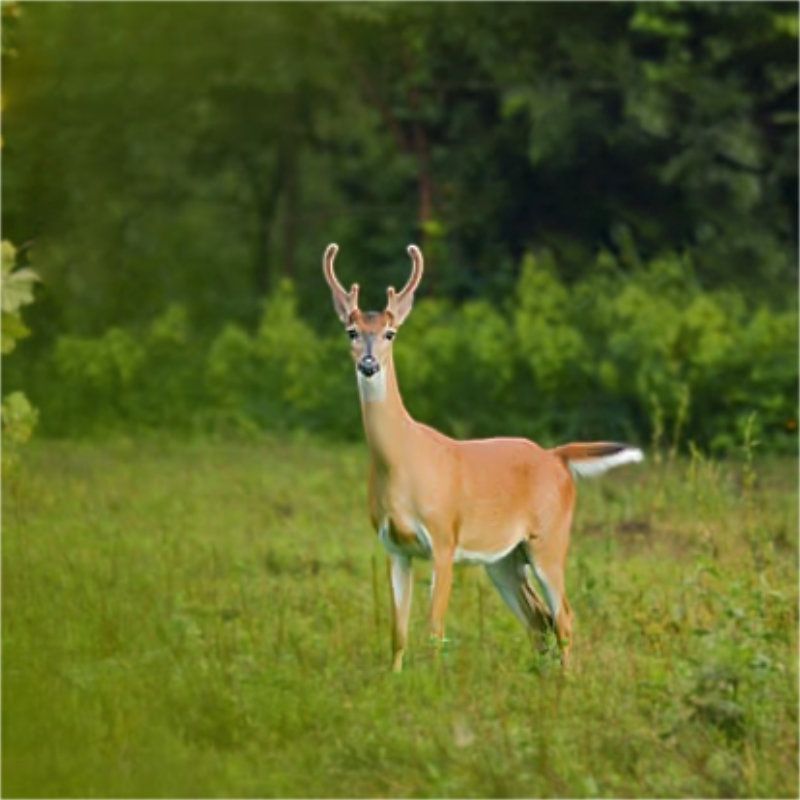
Standing alert at the forest edge, this yong white-tailed buck displays his growing antlers still covered in velvet—the soft, blood-rich skin that nourishes antler growth during spring and summer. These magnificent antlers, which can grow up to an inch per day during peak growing season, are among the fastest-growing tissues in the animal kingdom. Each year, bucks shed their antlers in late winter and begin growing a new set, with size and point count generally increasing with age and nutrition. The reddish-brown summer coat visible here will transition to grayish-brown by winter, providing better camouflage in the changing seasons. White-tailed deer are named for the distinctive white underside of their tail, which they flash as an alarm signal when bounding away—a behavior called “flagging” that can alert other deer to danger. As North America’s most widespread large mammal, white-tails are remarkably adaptable, thriving in forests, grasslands, and even suburban environments. This buck’s direct gaze and poised stance capture the essence of wild vigilance—the constant awareness that defines life at the boundary between meadow and forest, where opportunity and danger exist in equal measure.
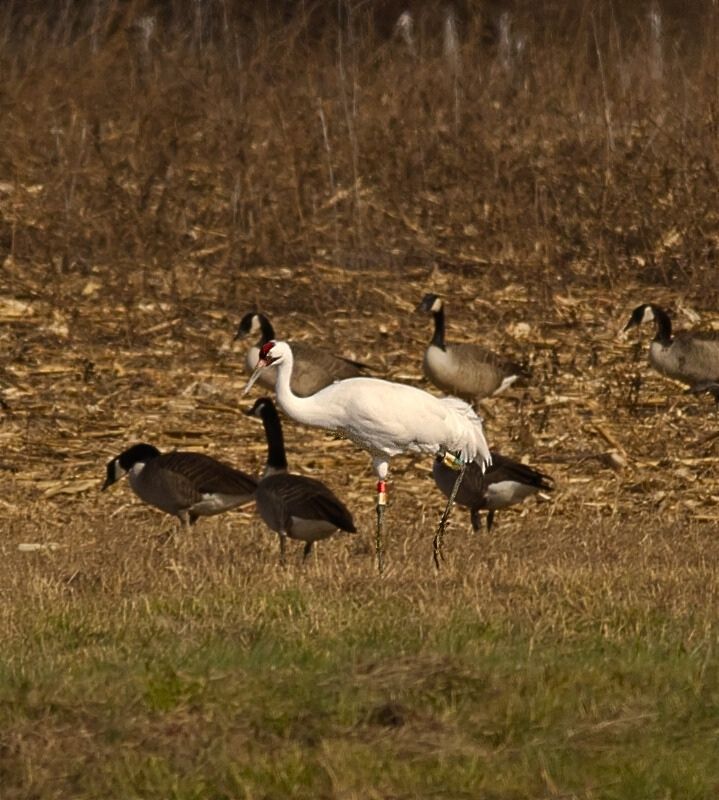
Standing nearly five feet tall with a wingspan stretching over seven feet, the Whooping Crane is North America’s tallest bird and one of its rarest treasures. These magnificent white birds, named for their distinctive bugling call that can carry for miles across open wetlands, came perilously close to extinction—by 1941, only 21 individuals remained in the wild. Their snowy white plumage is accented by a striking red crown, black wingtips visible in flight, and piercing yellow eyes that convey both intelligence and wariness. Whooping Cranes are devoted partners, often mating for life and performing elaborate courtship dances that involve leaping, bowing, and tossing vegetation in synchronized displays of bonding. These graceful giants undertake one of the longest migrations of any North American bird, traveling over 2,500 miles between their breeding grounds in Canada’s Wood Buffalo National Park and their wintering territory along the Texas Gulf Coast. Thanks to intensive conservation efforts including captive breeding programs and innovative techniques like teaching migration routes to young cranes using ultralight aircraft, the population has slowly climbed to around 800 individuals. Encountering a Whooping Crane in the wild remains an exceptionally rare privilege—a glimpse of resilience and hope, and a powerful reminder of what dedicated conservation can achieve when a species teeters on the brink.
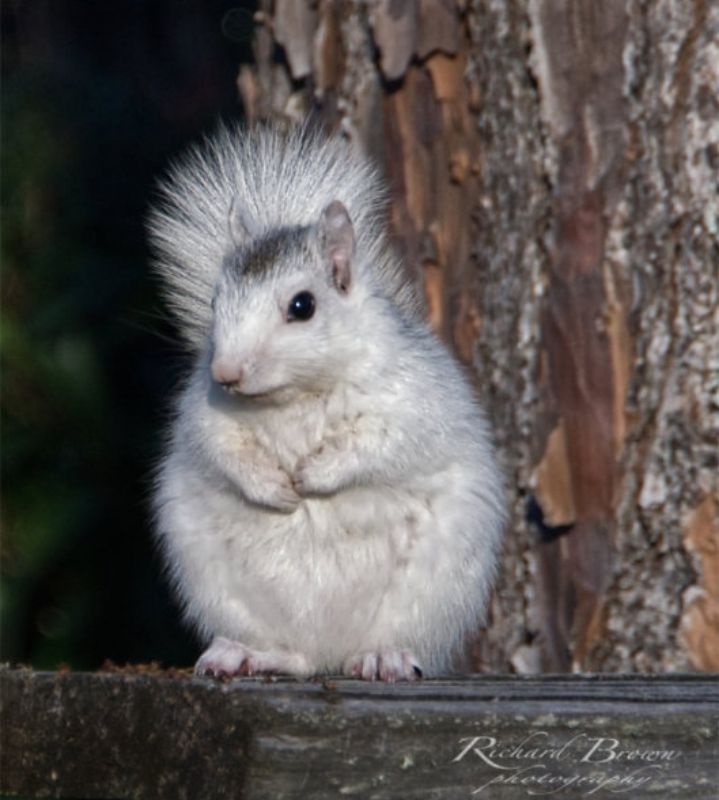
This enchanting white squirrel showcases a rare genetic condition called leucism, which reduces pigmentation in the fur while leaving the eyes their natural dark color—distinguishing it from true albinism. White and leucistic squirrels occur in roughly one in 100,000 Eastern Gray Squirrels, making sightings truly special events. A few communities, including Brevard, North Carolina and Olney, Illinois, have become famous for their protected populations of white squirrels, celebrating them as local treasures. Despite their striking appearance, these pale-furred individuals face the same challenges as their gray counterparts—building leaf nests called dreys, gathering and caching thousands of nuts each fall, and engaging in elaborate acrobatic chases through the treetops. Their coloring can make them more visible to predators like hawks and owls, yet many thrive in urban and suburban settings where human presence offers some protection. This squirrel’s clasped paws and alert posture capture the characteristic blend of boldness and caution that makes squirrels such engaging neighbors. The soft, almost ethereal quality of the white fur creates an almost magical presence—a reminder that nature’s genetic diversity can produce moments of unexpected beauty in the most familiar of backyard visitors.
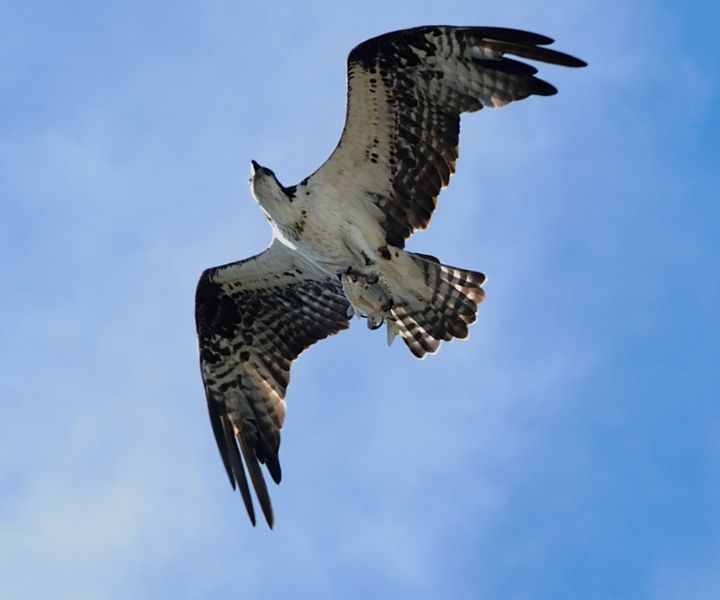
Captured in a moment of triumph, this Osprey soars overhead with a fresh-caught fish gripped firmly in its specialized talons. Often called “fish hawks,” Ospreys are one of nature’s most specialized hunters, feeding almost exclusively on live fish. Their hunting technique is spectacular—hovering 30 to 100 feet above the water, they spot prey with keen eyesight before plunging feet-first in a dramatic dive, sometimes completely submerging. Their reversible outer toes, barbed footpads, and curved talons are perfectly adapted for gripping slippery fish, which they instinctively carry headfirst to reduce wind resistance during flight. The Osprey’s distinctive plumage—brown upperparts, white underparts, and bold dark eye stripe—makes them easy to identify even at a distance. With a wingspan reaching six feet, these magnificent raptors can be found on every continent except Antarctica, often nesting on platforms, dead trees, or channel markers near water. Once threatened by DDT poisoning like many raptors, Osprey populations have rebounded dramatically thanks to conservation efforts and the pesticide’s ban. Witnessing an Osprey in flight with its hard-won catch is to observe millions of years of evolution perfected—a master angler navigating between water and sky with grace, power, and singular purpose.
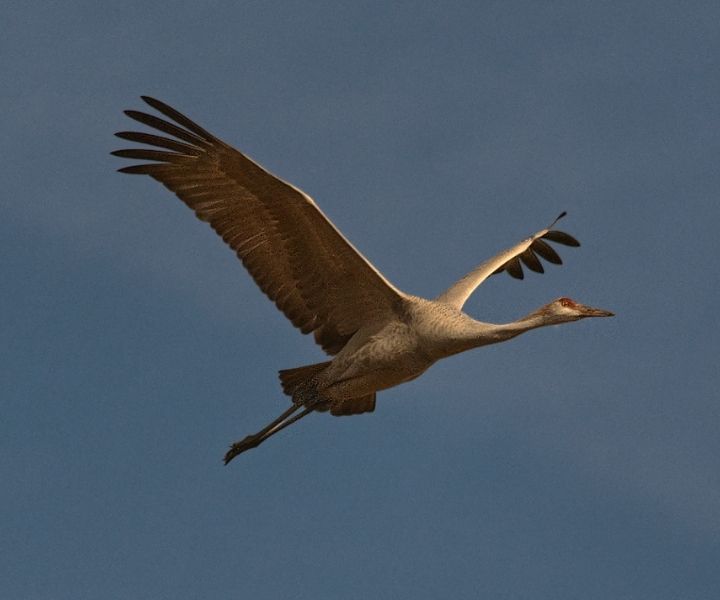
Bathed in golden light, this Sandhill Crane demonstrates the effortless grace that has made these ancient birds such captivating subjects for wildlife observers. Standing up to four feet tall with wingspans reaching seven feet, Sandhill Cranes are among North America’s most impressive wading birds. Their slate-gray plumage is often stained rusty brown from preening with mud-covered bills, and adults sport a distinctive bare red crown that becomes brighter during breeding season. These highly social birds are famous for their rolling, trumpet-like calls—a primordial sound that can carry for miles and is often described as one of the most evocative voices in nature. Sandhill Cranes are among the oldest living bird species on Earth, with fossils dating back over 10 million years, meaning these birds soared over landscapes inhabited by saber-toothed cats and mammoths. Each spring and fall, they undertake spectacular migrations, with half a million cranes funneling through Nebraska’s Platte River in one of North America’s greatest wildlife spectacles. They mate for life and perform elaborate courtship dances involving leaps, bows, and wing-spreading displays. Witnessing a Sandhill Crane in flight—neck outstretched, legs trailing, wings beating in measured rhythm—is to connect with an ancient lineage that has graced the skies since long before humans walked the Earth.
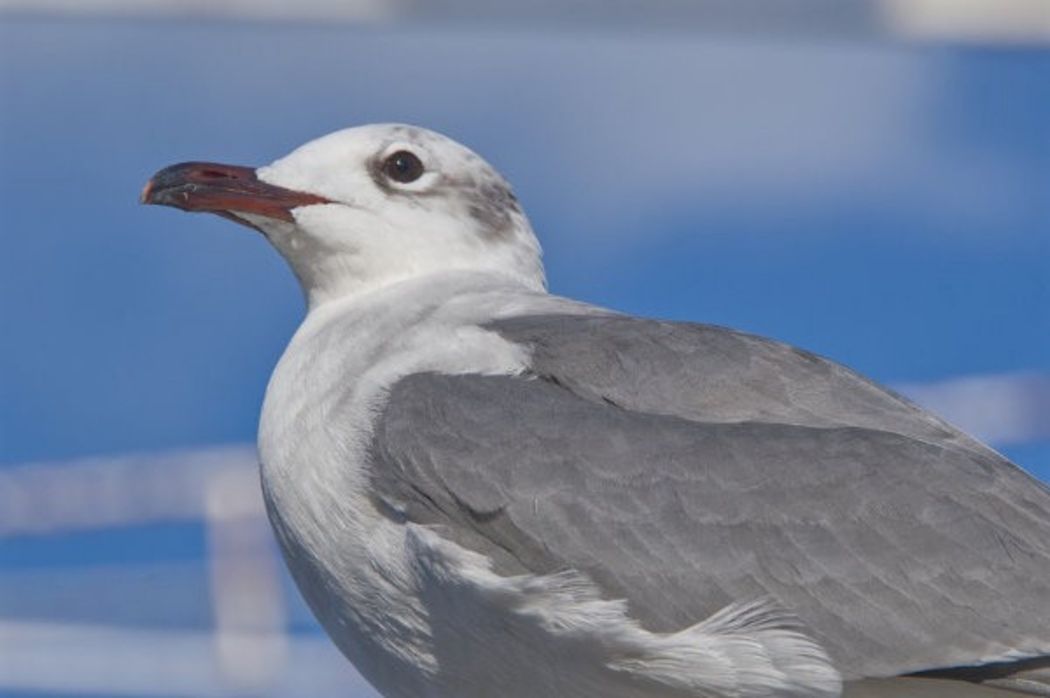
Named for their raucous, laughing call that echoes across beaches and marshes, Laughing Gulls are among the most charismatic and vocal of coastal birds. This portrait captures the bird’s non-breeding plumage, with its clean white head and distinctive dark smudge behind the eye—during breeding season, these gulls develop striking black hoods that cover their entire heads. Their slate-gray wings and backs contrast beautifully with bright white underparts, while their dark red bills add a splash of color. Medium-sized among gulls, Laughing Gulls are supremely adaptable opportunists, equally at home soaring over breaking waves, following fishing boats for scraps, or patrolling boardwalks and beaches for dropped French fries. These intelligent and social birds nest in large colonies on coastal islands, with pairs working together to raise their young amid the cacophony of thousands of calling neighbors. Their buoyant, graceful flight—with wings held in a distinctive shallow V—makes them easy to identify even at a distance. Once heavily persecuted for the millinery trade in the early 1900s, Laughing Gulls have rebounded and now thrive along the Atlantic and Gulf coasts. Encountering a Laughing Gull up close reveals the subtle beauty often overlooked in these familiar coastal companions—proof that common doesn’t mean ordinary.
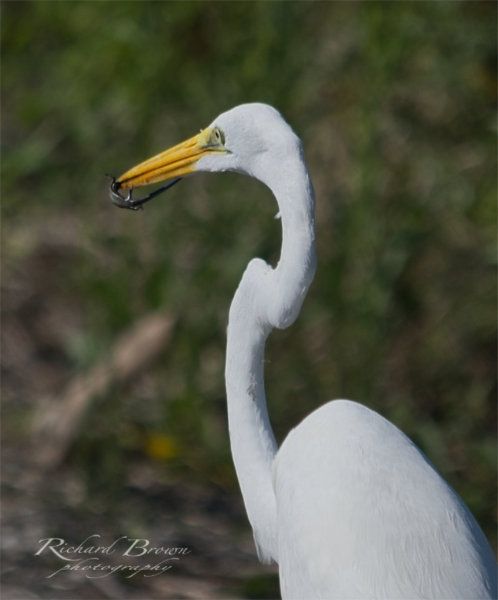
This intimate portrait captures a Great Egret in a moment of success, having just secured a meal with its dagger-like yellow bill. The elegant S-curve of the neck—a defining characteristic of herons and egrets—demonstrates the coiled-spring mechanism these birds use for their lightning-fast strikes. Great Egrets are patient, methodical hunters, often standing motionless in shallow water for extended periods, waiting for the perfect moment to strike. When prey ventures within range, the neck snaps forward with remarkable speed and precision, spearing fish, frogs, crayfish, or aquatic insects. Their binocular vision allows them to judge distances accurately even through the refracting surface of water. Standing nearly three feet tall with pristine white plumage that seems to glow against darker backgrounds, Great Egrets are among the most elegant of wading birds. These successful hunters can consume prey up to half their body length, swallowing it whole and headfirst. This photograph captures not just a meal, but millions of years of evolutionary refinement—every curve of the neck, every structural detail, perfectly adapted for life as one of the wetland’s most skilled fishermen.
About RICHARD
is an Atlanta-based photographer specializing in light painting and nature photographer with 18 years of experience capturing the ethereal beauty of the natural world. With a passion for blending traditional photography techniques with innovative light painting, Richard creates stunning visual narratives that celebrate the interplay between light and nature.